A give-back event asks more of a team-building plan than filling an open block on the agenda. The activity should be engaging in the room, practical for the venue, and genuinely useful to the organization receiving the donation. When those pieces connect, employees can see the purpose behind the work they are doing together.
For HR leaders and event planners comparing Charlotte team building activities, the first decision is not whether the day should feel competitive, creative, or energetic. It is what kind of contribution the company wants to make. That answer can guide the activity format, charity partner, materials, timing, and the role each participant will play.
This guide will help you choose a give-back format, organize the local logistics, and build a session that suits your group. The goal is a Charlotte event with enough structure to keep people involved and a clear donation journey from the first challenge to the final handoff.
Start With the Contribution Your Company Wants to Make
A successful give-back event begins with a clear impact goal. Decide whether your company wants to provide useful items, support a community organization financially, or combine a team challenge with a donation. That decision gives the event a purpose that participants can understand before the first activity begins.
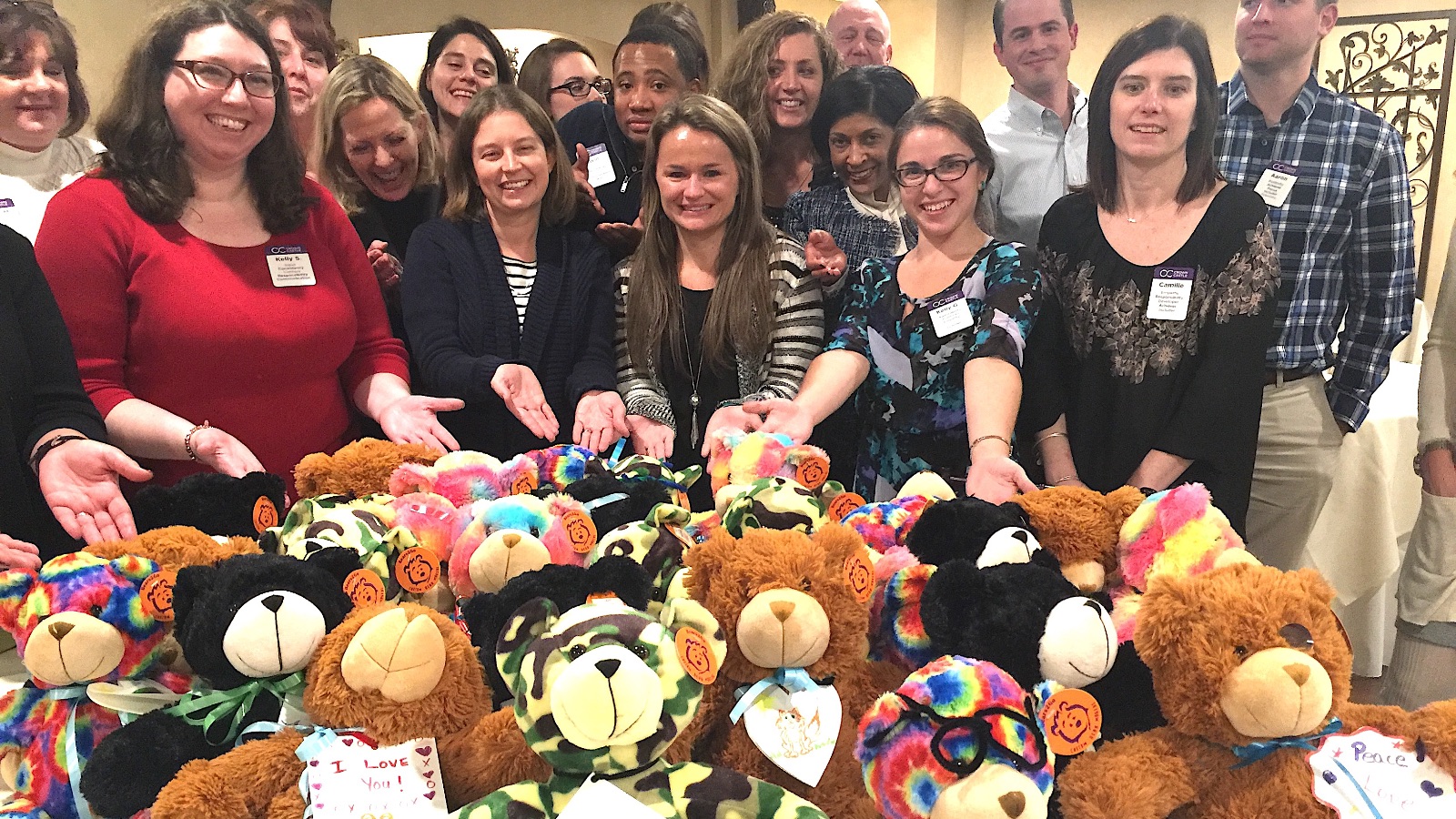
The broader range of charitable team-building programs includes hands-on builds, care-package assembly, city-based challenges, and game-show formats. Each option creates a different experience for the team and a different outcome for the receiving organization. A company that wants employees to assemble something together will need a different setup from one that wants a fast, energetic program built around a financial contribution.
If your company already has a relationship with a Charlotte nonprofit, involve that organization early. Confirm what it can accept, how many items are useful, and whether the proposed timing works for its staff. If you are still choosing a cause, start with the values your employees care about and the type of support your event can realistically provide.
This early alignment also makes internal communication easier. Employees should know who the event supports, what they will create or contribute, and what will happen after the session. The activity can still include competition and celebration, but the charitable purpose should remain visible throughout the day.
Compare Give-Back Formats Before You Choose
Different formats place the emphasis on different kinds of participation. Use the comparison below as a starting point, then weigh the choice against your group size, venue, schedule, and preferred cause.
| Event format | Charitable outcome | How the team participates | Planning fit |
|---|---|---|---|
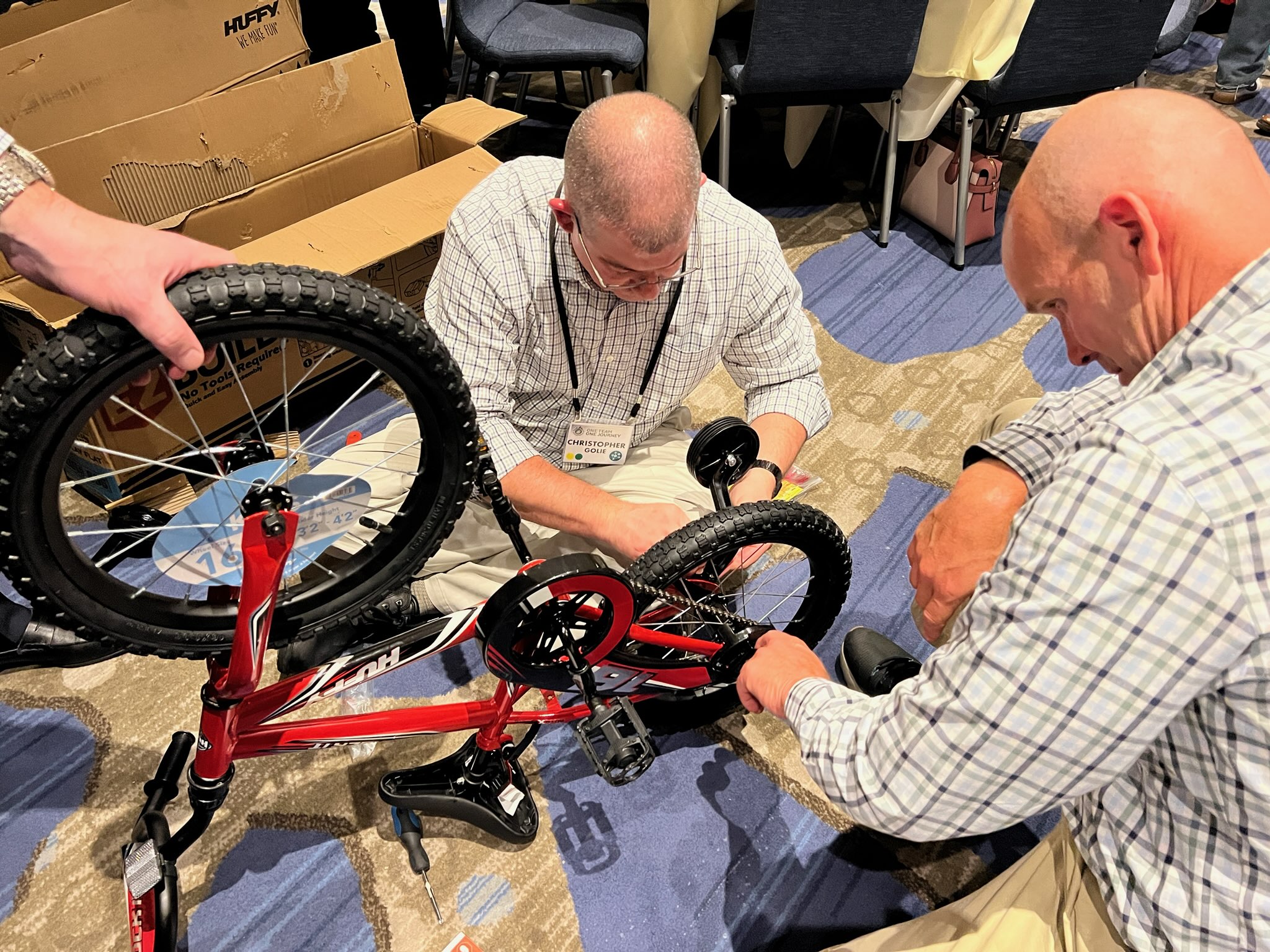
| Charity bike build | Assembled bicycles and notes for recipients | Teams complete challenges, earn parts, assemble, and inspect bikes | Groups that want a tactile build with clear roles |
| Charity wagon build | Red wagons with a stuffed animal and children’s book | Teams earn supplies, assemble wagons, and add encouraging notes | Low-physicality indoor or outdoor events |
| Charity iHunt | Donation items earned through a city-based team quest | Teams navigate, solve clues, and complete creative challenges | Groups that want movement and Charlotte exploration |
| Charity game show | A financial contribution presented to a chosen charity | Teams compete in survey-style rounds with audience participation | Conferences and large groups needing a shorter format |
A Charity Bike Build gives teams a concrete assembly goal. Participants complete challenges to earn parts, build the bicycles, add notes, and move finished bikes through an inspection station. It works well when you want defined roles and a visible result at the end of the session.
The Charity Wagon Build follows a similar hands-on rhythm with bright red wagons, stuffed animals, children’s books, and notes of encouragement. The program is designed for indoor or outdoor settings, has a low physicality level, and can support groups of different sizes.
For a team that wants to experience Charlotte as part of the day, a Charity iHunt combines local exploration with puzzles, photo and video missions, facilitator challenges, and items to donate. The route, weather plan, transportation, accessibility, and finish location all need to be considered.
A Charity Game Show creates a different kind of contribution. Teams compete in fast survey-style rounds, the wider audience can join unanswered questions, and the finale presents a donation to the chosen charity. The program runs approximately 1 to 1.5 hours and can accommodate groups from 12 to 1,000 or more.
Plan Around Your Charlotte Venue and Schedule
A give-back program should fit comfortably inside the wider meeting, conference, or company gathering. Charlotte offers corporate offices, hotel meeting rooms, conference venues, parks, and walkable areas, but the activity should determine the space rather than the other way around.
Use these questions to shape the event plan:
- How many people will participate, and will everyone be in one room?
- How much time is available once arrivals, instructions, breaks, and the closing are included?
- Does the venue have enough tables, power access, staging space, and room for completed donations?
- Will the activity stay onsite, move through Charlotte, or finish at a second location?
- What accessibility, mobility, weather, and transportation needs should shape the format?
- Who will manage charity communication, donation pickup or delivery, and confirmation after the event?
Build Participation Into Every Stage
People engage more fully when the program gives them several ways to contribute. A hands-on build can include challenge solvers, parts organizers, assemblers, decorators, quality-control reviewers, and presenters. A game show can involve competitors on stage, teammates contributing from the audience, and a closing presentation that brings the whole room back to the cause.
Clear roles are especially helpful when coworkers from different departments or leadership levels are meeting for the first time. Small responsibilities give people a natural reason to speak, exchange information, and adjust their approach as the activity progresses. The structure should make room for quieter participants without putting the entire experience on the most outspoken people in the room.
The facilitator can connect the activity to the company’s goals without turning the event into a lecture. If the priority is cross-functional collaboration, teams can be mixed intentionally. If the goal is stronger communication, challenges can require members to share information before moving ahead. If the event supports a larger CSR initiative, the opening and closing can explain how the donation fits that commitment.
Coordinate the Charity Partnership Early
The receiving organization is part of the event plan, even if its representative cannot attend. Confirm the requested donation, packaging requirements, delivery address, storage limits, and point of contact before materials are ordered. A useful donation reflects what the organization can distribute, not simply what looks impressive in the event room.
For item-based programs, decide who will inspect completed donations and how they will move from the venue to the charity. If a partner representative may attend, confirm arrival time, parking, building access, and the role they are comfortable playing. They may be able to explain the cause or accept the donation, but their participation should never be assumed.
The event message should be equally clear. Give participants enough context to understand the community need while respecting the privacy and dignity of the people served. Keep the focus on useful support, shared responsibility, and the work completed by the team.
Finally, name an internal owner for every post-event task. Someone should know who is responsible for transportation, confirmation of receipt, photo permissions, and any follow-up communication. That continuity protects the donation after the activity ends.
Decide What Success Should Look Like
A give-back event can support several business and community goals at once, but planners should decide which outcomes matter most. One company may want employees from separate departments to work together. Another may be introducing a new CSR focus. A third may need an inclusive conference activity that gives a large audience a common purpose.
Choose a few simple indicators before the event. You might track participation, completion of the planned donation, the number of teams working across departments, or whether the program stayed within the scheduled window. A short post-event question can also ask employees what they learned about the cause or which part of the collaboration helped their team move forward.
Success should include the recipient’s experience as well. Confirm that the donation arrived as planned and met the agreed requirements. That final check closes the loop between the activity employees completed and the community support the event was meant to provide.
Bring Your Charlotte Give-Back Event Together
The strongest plan connects four elements: a cause employees can understand, an activity that suits how the group works, a venue that supports the format, and a clear path for the donation. When those pieces are settled early, the event can feel energetic in the room while staying focused on a useful community outcome.
At Team Building Nation, we plan and facilitate charitable corporate events for groups of many sizes. Share your Charlotte venue, participant count, timing, preferred cause, and team goals with us, and we can help you choose a program and coordinate the practical details around your give-back event.