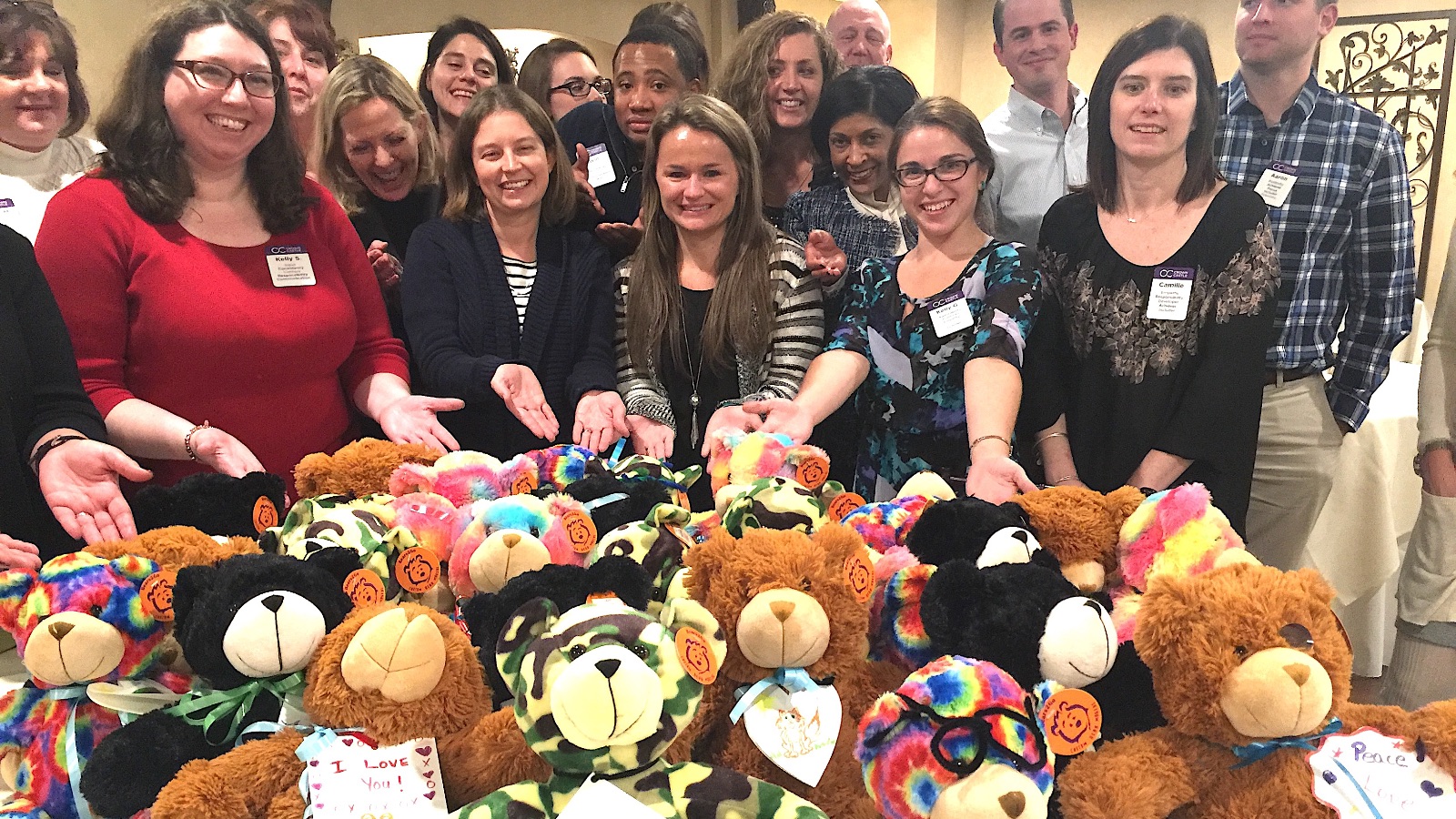
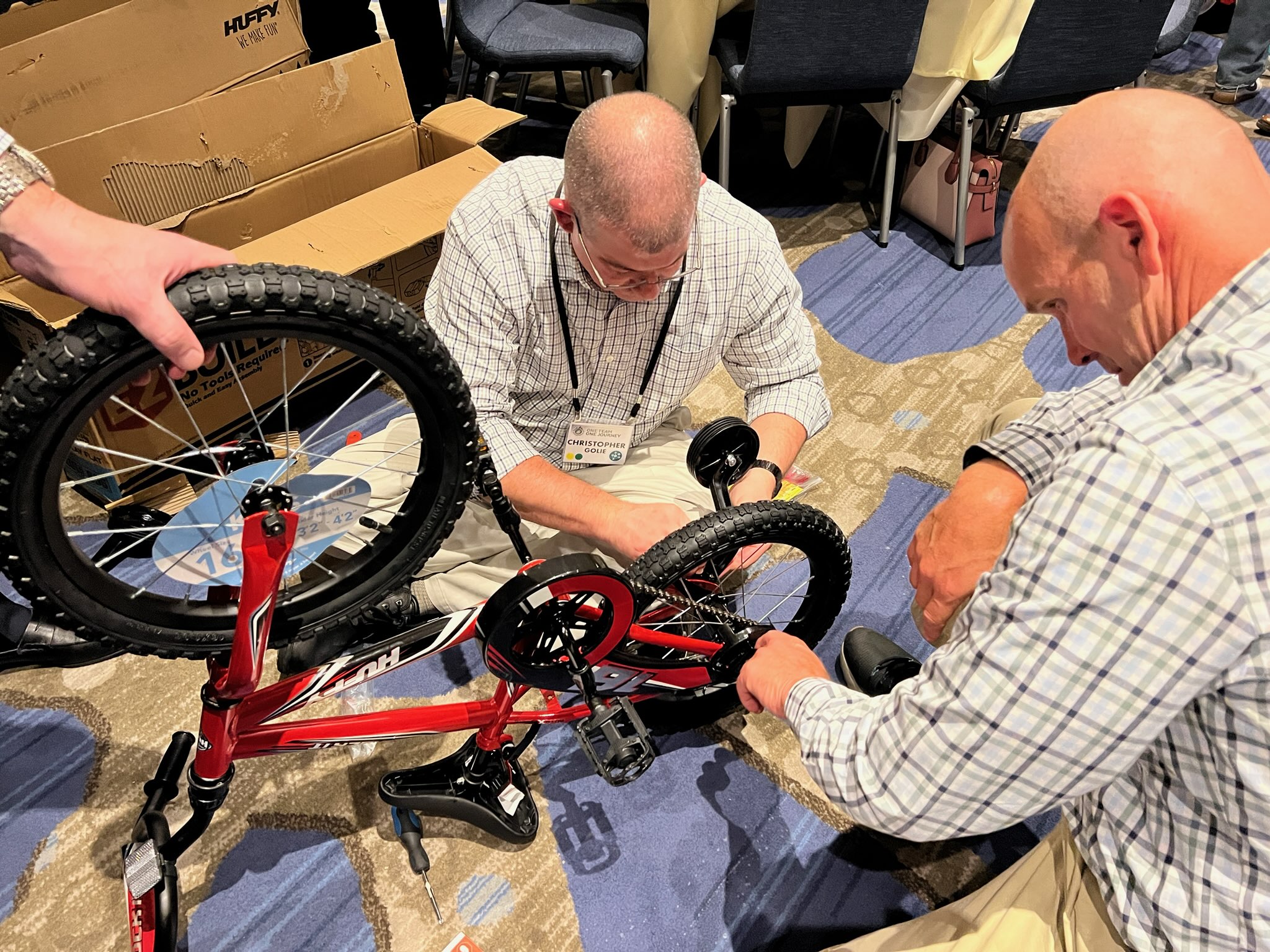
A company charity event can do something a standard team outing rarely achieves: give people a shared reason to work together that reaches beyond the office. The strongest events create a clear connection between the activity in the room and the people or organizations that will benefit afterward.
For HR leaders, people and culture teams, and event planners, choosing among Washington DC charity events for companies starts with a practical question. What kind of impact should your group create? Your answer can point you toward building useful equipment, assembling care packages, supporting a food pantry, or creating instruments for aspiring musicians.
This guide will help you compare event formats, match the experience to your group, and plan the details that turn good intentions into an organized, engaging corporate event.
What Makes a Corporate Charity Event Feel Meaningful?
Meaning comes from clarity. People should understand who the event supports, what they are creating or contributing, and how their work will move from the event space to the receiving organization. That context gives each challenge, build, or packing station a purpose.
The team experience matters as well. A useful charitable team building program should give participants real opportunities to communicate, divide responsibilities, solve problems, and see how their individual effort contributes to a finished result. Friendly competition can add energy, but the shared outcome keeps the room moving in the same direction.
For a Washington DC company, the cause may connect to an established corporate social responsibility goal, an employee-led initiative, or a community need that employees care about. Starting with that connection makes it easier to choose a format that feels relevant to your group.
It also helps to define what a successful event should accomplish. One company may want a tangible donation that employees can see assembled by the end of the session. Another may want a program that introduces coworkers to a cause they can continue supporting. A third may be bringing several departments together and need an activity with enough structure to encourage new working relationships.
Those goals can guide the format, the message that opens the event, and the way the group closes the day. They also give planners a clearer way to evaluate whether the experience delivered the participation, connection, and charitable outcome they intended.
Compare Charity Event Formats by the Impact You Want to Create
Different programs create different kinds of donations and team interactions. The comparison below gives you a practical starting point.
| Event format | Donation outcome | How the team works together | A strong fit for |
|---|---|---|---|
| Wheelchair build | New wheelchairs and fleece blankets | Teams complete challenges, earn parts, assemble, decorate, and inspect each wheelchair | Groups that want a hands-on build with defined roles |
| Guitar build | New electric guitars and notes of encouragement | Participants complete music-themed challenges, assemble guitars, and celebrate the finished builds | Creative teams and music-focused company cultures |
| Food-pantry mini golf | Non-perishable food items used to build playable golf holes | Teams design, construct, compete, then pack the donated food | Large groups that enjoy creativity and friendly competition |
| Customized care packs | Care packages selected for a community organization | Teams earn items through challenges, pack them, add notes, and prepare them for delivery | Companies that want to support a specific cause or charity partner |
The Charity Wheelchair Build combines app-based challenges with the assembly and inspection of new wheelchairs. Teams also create fleece blankets and notes for recipients. It is a strong choice when you want the work to be tactile and the roles to be easy to divide across the group.
For a creative team, the Charity Guitar Build uses music-themed photo, video, and trivia challenges to help participants earn the tools and parts needed to assemble electric guitars. The completed instruments are intended for aspiring musicians, and teams can add colorful messages of encouragement.
The Charity Mini Golf: Food Pantry Donation turns non-perishable food and construction materials into a playable mini golf course. It can accommodate up to 2,000 or more participants, runs for approximately two to three hours, and works indoors with a low physicality level.
If your company already supports a particular cause, Care Packs for Your Cause can be customized for organizations such as shelters, food banks, hospitals, animal shelters, nursing homes, and other community service agencies. Participants earn donation items, assemble the packs, add personal notes, and prepare everything for delivery.
Match the Event to Your Team and Your Washington DC Venue
Once you have a cause in mind, look at the practical shape of the day. A program can be meaningful and still miss the mark if the timing, venue, or participation style does not suit the group.
Use these questions to narrow your options:
- How many people will participate, and will everyone be in the same room?
- How much time can you give the activity within the wider meeting or conference agenda?
- Does the venue support tables, materials, team stations, packing, and a final presentation area?
- Will participants be comfortable with the program’s physical requirements and pace?
- Does your company have an existing charity relationship or a cause employees already support?
- What should participants understand, feel, or be able to point to when the event is finished?
Washington DC offers corporate offices, hotel meeting spaces, conference venues, and outdoor settings, but the venue should follow the activity. A detailed build needs enough table space for parts and inspection. A mini golf program needs room for teams to create and play through the course. Care-pack assembly requires an efficient flow from challenges to item collection, packing, and staging.
Give Every Participant a Useful Role
Engagement improves when the event creates several ways to contribute. Some people will enjoy solving trivia and completing photo or video missions. Others may prefer organizing parts, checking instructions, decorating finished donations, writing notes, or keeping the team on schedule.
That mix of roles can help departments and job levels interact more naturally. A participant does not need to be the loudest person in the room to make an important contribution. Clear tasks give each person a point of entry, while the shared deadline encourages teams to communicate and adjust as the work progresses.
The facilitator can also connect the activity to the group’s goals. If the priority is cross-department collaboration, teams can be mixed intentionally. If the event is part of a leadership meeting, participants can rotate responsibility for planning, quality control, and final presentation. The goal is to make the charitable outcome and the teamwork reinforce each other.
Plan the Donation Journey Before Event Day
The visible activity is one part of the event. The donation also needs a clear path to the organization that will receive it. Confirm the cause, the type and quantity of items, the venue requirements, inspection needs, packing process, transportation, and handoff before participants arrive.
A representative from the receiving organization may be able to attend the event, depending on availability. When that happens, the group can hear directly about the cause and see the handoff. If an in-person visit is not possible, the event can still include clear context about the organization and how the completed donation will be used.
Your timeline should leave room for the finale. Rushing through inspection, packing, or recognition can make the outcome feel disconnected from the work that came before it. A well-paced close lets participants see what the group accomplished and understand what happens next.
For events that bring employees into Washington from other offices, include the charity activity in the wider arrival and departure plan. Confirm when the venue can be accessed, where materials can be delivered, how finished donations will leave the space, and who will be available to sign off on the handoff. These details are especially important when the activity sits between conference sessions, transportation windows, or an evening reception.
Turn Your Washington DC Event Into a Shared Act of Service
The best event choice brings together three things: a cause your people can understand, an activity that suits how they work, and logistics that protect the donation from start to finish. When those elements line up, the day has energy in the room and a useful result after everyone leaves.
At Team Building Nation, we plan and facilitate charitable corporate events for groups of many sizes. Share your Washington DC event goals, participant count, venue, timing, and preferred cause with us, and we can help you choose a program and build the details around your team.