Not all team-building games deliver the same results. Some generate measurable improvements in productivity and retention. Others provide temporary entertainment that fades quickly.
Many companies invest in activities without a clear measurement of results. Generic icebreakers rarely translate into improved productivity or collaboration.
High-impact team-building games share specific characteristics. They align with measurable business objectives, create skill development opportunities, and generate engagement that persists beyond the event.
This article identifies which team-building games create the biggest company impact. You’ll discover high-ROI activities, game categories that drive results, and how to measure effectiveness.
Measuring Real Impact from Team Building Games
Effective team-building games generate quantifiable business results rather than temporary enjoyment. Companies track metrics like employee retention, productivity changes, engagement scores, and collaboration improvements to assess impact. Understanding measurement frameworks helps organizations select team-building games that align with strategic goals and justify investment through demonstrated ROI.
ROI Metrics That Matter for Team Building
Team building games should deliver measurable outcomes tied to business performance.
The most important metrics include employee retention rates, which directly impact recruitment and training costs. When employees feel connected through team-building games, they stay longer.
Productivity measurements reveal whether activities translate into improved work output. Studies indicate that engaged teams are 23% more profitable and show productivity increases up to 31%.
Employee engagement scores provide insight into workplace satisfaction and commitment. Survey employees before and after team building activities to measure changes in morale and willingness to collaborate.
Key metrics to track include:
- Retention rates six months after team-building events
- Project completion speed and quality improvements
- Employee engagement survey score changes
- Cross-department collaboration frequency
- Conflict resolution time reductions
Communication effectiveness can be assessed through observation and feedback. Note improvements in cross-department collaboration and information sharing after implementing team-building games.
Long-Term Versus Short-Term Impact
High-impact team-building games create lasting behavioural changes rather than temporary excitement.
Short-term impact includes immediate enjoyment and positive event feedback. While these matter for morale, they don’t guarantee business results.
Long-term impact manifests through sustained improvements in team dynamics and collaboration habits. Effective team-building games teach skills that employees apply weeks and months later.
Organizations should track metrics over time rather than just immediately after events.
Consider these timeframes:
- Immediate feedback: Participant satisfaction and energy levels
- 30-day follow-up: Applied skills and behaviour changes
- 90-day assessment: Productivity and collaboration metrics
- 6-month evaluation: Retention rates and engagement scores
- Annual review: ROI calculation and culture shift indicators
The highest ROI comes from activities that align with specific team challenges. Match team building games to identified needs for maximum lasting impact.
High-Impact Team Building Game Categories
Different team building games serve different strategic purposes. Build-and-donate activities combine collaboration with community impact. Problem-solving challenges develop critical thinking and teamwork. Game show formats create engagement through friendly competition. Understanding which categories deliver specific outcomes helps companies select team building games that address their unique challenges.
Collaborative Build Activities
Build-focused team building games generate impact through tangible outcomes and skill development.
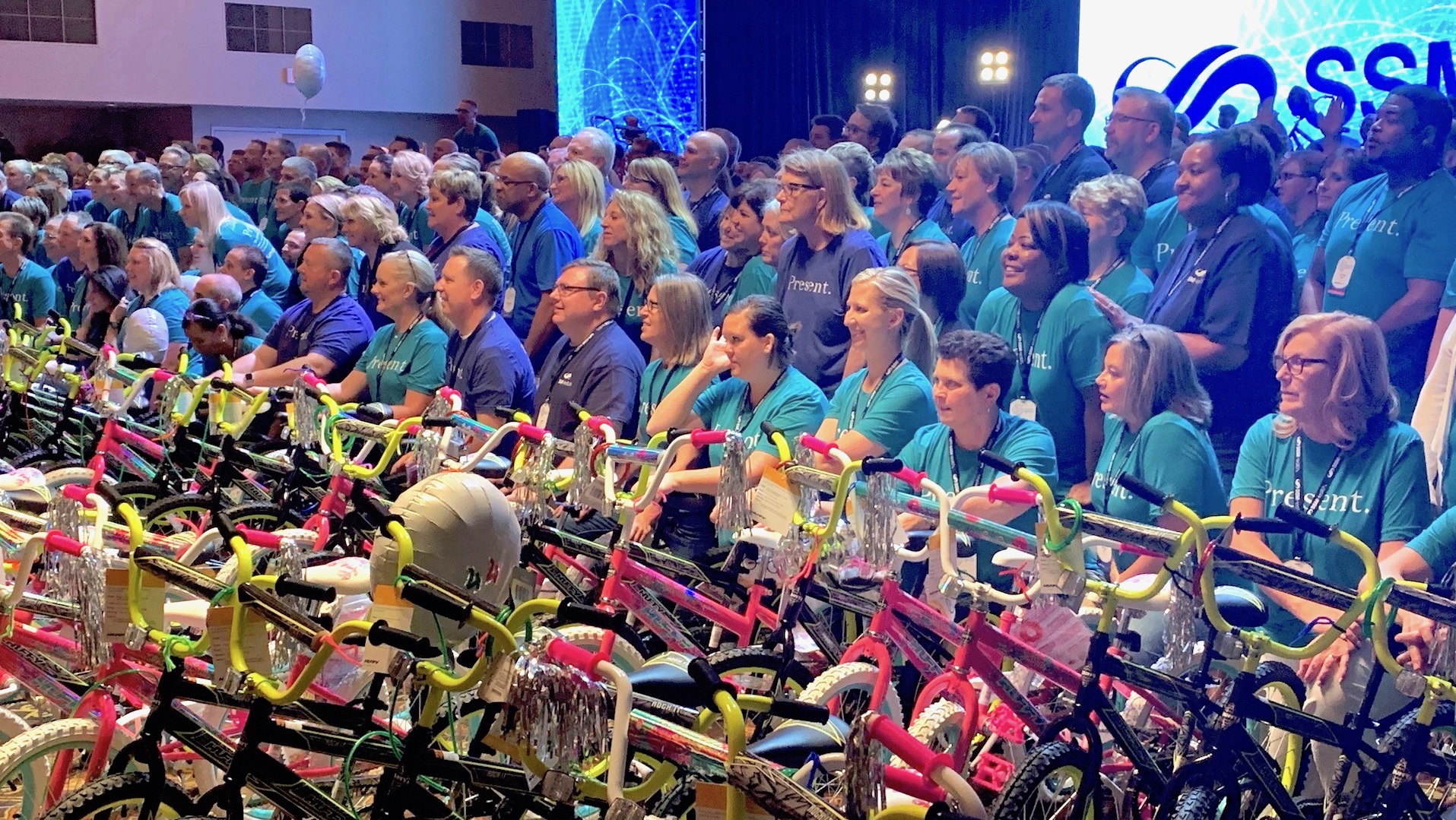
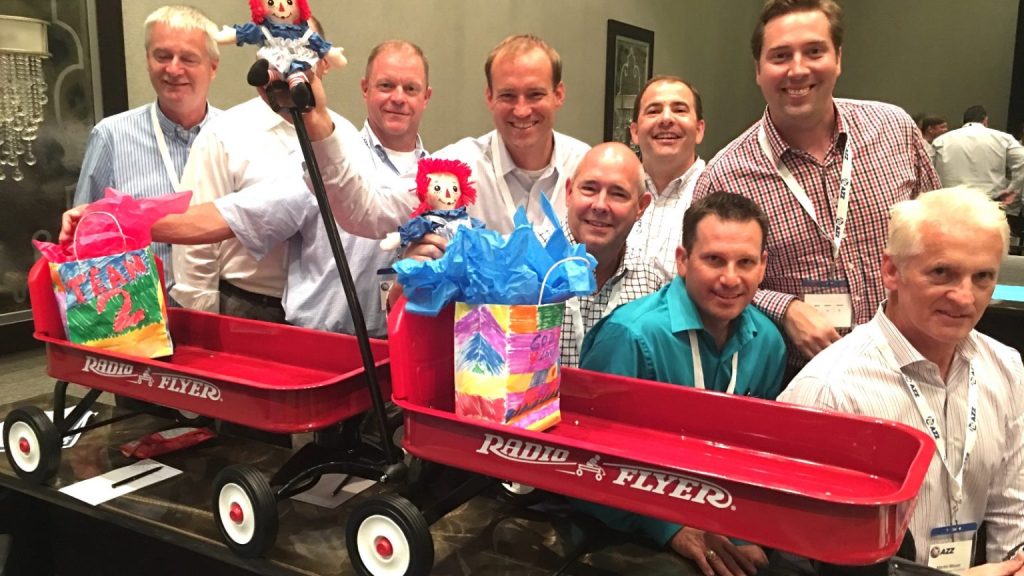
Activities like bike builds, wheelchair assembly, or wagon construction require teams to coordinate and problem-solve together. Participants earn components through challenges, then collaborate to assemble complete items for donation.
The collaborative nature builds trust and reveals team dynamics. Members observe how colleagues handle pressure and support each other. These insights transfer directly to workplace collaboration.
Charitable elements add emotional connection and purpose. When teams build items for children, veterans, or community members, the stakes feel real.
Build activities excel at:
- Creating visible outcomes, teams can photograph and share
- Developing problem-solving through hands-on challenges
- Building emotional connections through charitable impact
- Accommodating groups from 10 to 500 participants
- Balancing individual contribution with collective success
Organizations report employees continue discussing build events months later, indicating sustained engagement beyond the activity itself.
Strategic Problem-Solving Games
Problem-solving team building games develop critical workplace skills while creating engagement.
Escape rooms challenge teams to decode clues and solve puzzles under time pressure. This format requires communication, creative thinking, and leveraging diverse strengths.
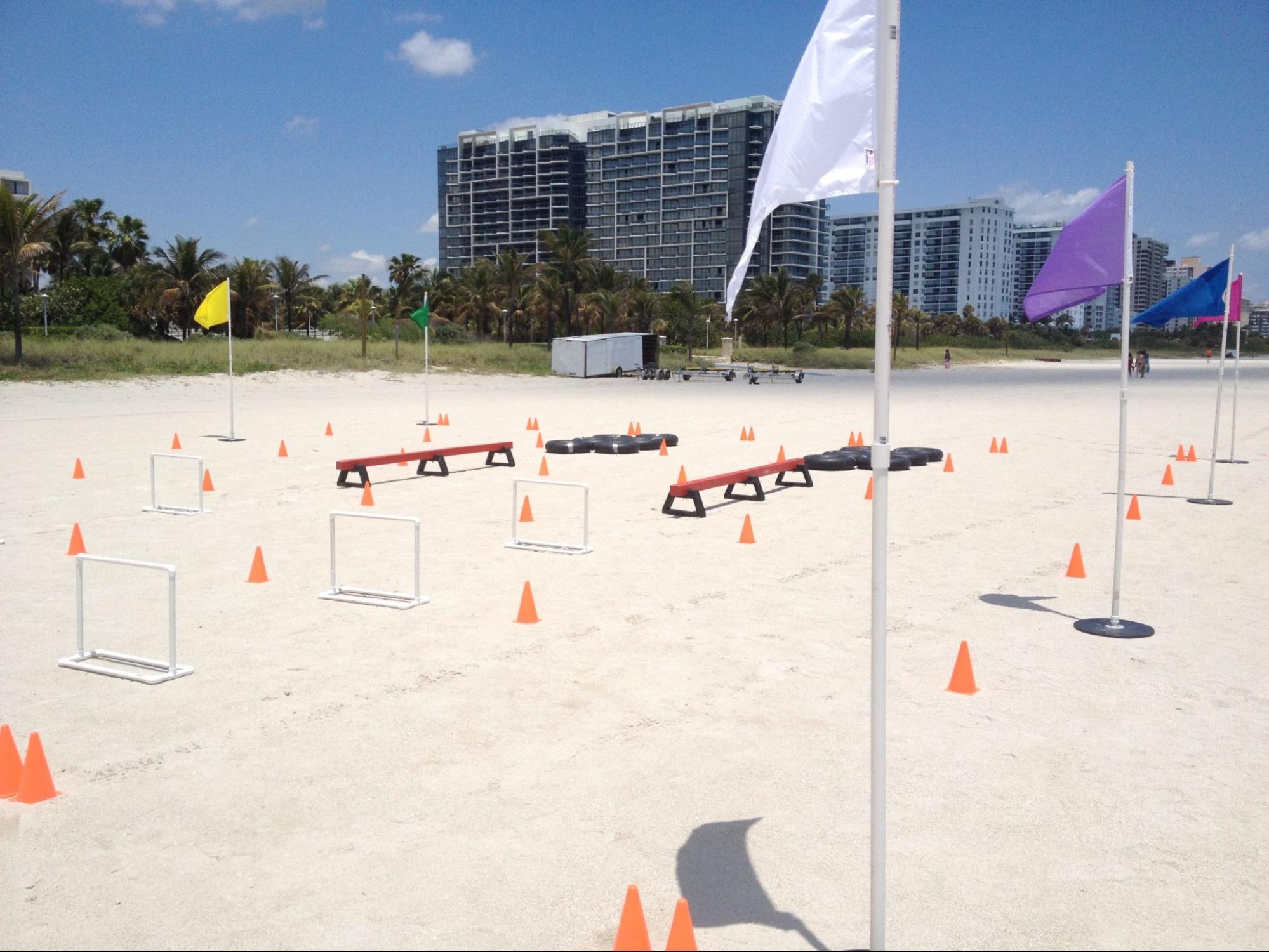
Scavenger hunts and adventure challenges get teams moving while solving problems collaboratively. These team-building games work particularly well for large groups. The active format appeals to different personality types.
Strategic games like trivia or game show formats combine knowledge sharing with friendly competition. Teams bond through shared victories and learn about each other’s expertise.
Problem-solving games deliver these benefits:
- Enhanced communication under pressure
- Better delegation based on strengths
- Creative thinking skill development
- Active participation from all personality types
- Real-world workplace problem-solving practice
The key is selecting team-building games that mirror actual workplace challenges. Problem-solving activities should feel relevant to daily work rather than purely recreational.
Selecting Team Building Games for Maximum Company Impact
Strategic selection determines whether team building games deliver business value or become forgotten events. Companies must align activities with identified team challenges, cultural fit, and measurable objectives. Implementation quality, facilitation expertise, and follow-up practices all influence final outcomes.
Aligning Games with Business Objectives
Start by identifying specific team challenges before selecting team building games.
Does your team struggle with cross-department communication? Choose activities requiring collaboration across groups. Are trust issues limiting productivity? Select team building games focused on mutual support.
Set measurable goals for each investment. Define success in concrete terms. Will you measure improved engagement scores, faster project completion, or reduced conflicts?
Selection considerations include:
- Current team challenges and diagnosed needs
- Measurable success criteria and KPIs
- Team demographics and preferences
- Budget constraints and ROI requirements
- Professional facilitation availability
Remote teams need different team building games than in-person groups. Introverted employees may struggle with high-energy competitive formats. Choose inclusive activities allowing different participation styles.
Professional facilitation significantly impacts results. Skilled facilitators create structure, manage dynamics, and connect activities to workplace applications.
Implementation Practices That Maximize Impact
Execution quality determines whether team building games deliver promised results.
Pre-event communication sets expectations and builds anticipation. Explain why the activity was chosen and how it connects to team goals.
During activities, skilled facilitation maintains energy and ensures inclusive participation. Facilitators manage group dynamics and create opportunities for quieter team members to contribute.
Best practices for implementation:
- Clear pre-event communication about goals
- Professional facilitation managing dynamics
- Inclusive design allowing diverse participation
- Post-event debriefing connecting experience to work
- Follow-up reinforcement sustaining changes
Post-event debriefing translates experience into workplace application. Effective facilitators lead discussions about what teams learned and how insights apply to daily work.
Follow-up reinforcement sustains impact beyond the event. Reference shared experiences in team meetings and recognize applied skills. This integration transforms single events into lasting culture shifts.
Track defined metrics over time to assess actual business impact. Use results to refine future team building game selection.
Creating Lasting Impact Through Strategic Team Building
The most effective team building games align with business objectives and create measurable improvements.
Companies see the biggest impact when they match activities to specific team challenges and invest in quality facilitation. Build-and-donate programs create emotional connections through charitable purpose. Problem-solving challenges develop workplace skills through engaging formats.
Strategic selection requires understanding your team’s current challenges and desired outcomes.
Implementation quality matters as much as activity selection:
- Professional facilitation ensures inclusive participation
- Pre-event communication builds purposeful engagement
- Post-event debriefing connects experience to work
- Follow-up reinforcement sustains behavioural changes
- Metric tracking demonstrates ROI
The highest ROI comes from team building games that create lasting behavioural changes rather than temporary excitement.
How Team Building Nation Maximizes Game Impact for Companies
Team Building Nation specializes in team-building games that deliver measurable business results rather than temporary entertainment.
Our programs combine professional facilitation with strategic design focused on your specific challenges. We don’t offer generic activities—we match team building games to your identified needs, whether strengthening communication, building trust, or developing leadership skills.
Every program includes clear objectives and success metrics.
With over 100 team-building options, including build-and-donate programs, competitive challenges, professional development workshops, and adventure activities, we provide formats proven to generate impact. Our Charity Wagon Build combines collaborative assembly with community giving, creating memorable experiences that strengthen team bonds.
Game show programs deliver engagement through friendly competition while revealing team dynamics.
Our facilitators bring energy and expertise that transform activities into development opportunities. They manage group dynamics, ensure inclusive participation, and connect experiences to workplace application. We handle all logistics, so your team focuses on engagement and skill building.
Post-event debriefing sessions help teams translate experiences into actionable workplace improvements. From initial consultation through post-program impact assessment, Team Building Nation ensures your investment in team building games generates measurable returns for your organization.