Corporate events prioritize business strategy and information sharing, while team building focuses on strengthening relationships and collaboration among employees. That is the core distinction. Understanding this difference is vital for planning Corporate Events that actually engage your staff rather than bore them. This guide breaks down exactly how to distinguish the two and how to combine them for the best results.
What Is a Corporate Event?
A corporate event is a business-sponsored gathering designed to communicate strategy, launch initiatives, or review performance.
These meetings are typically high-level and strategic. The primary goal is to deliver a message or align the company on specific goals.
Common examples include:
- Product launches
- Annual conferences
- Trade shows
- Quarterly business reviews
While people physically gather together, the focus remains strictly on the “business” rather than the “people.” The atmosphere is usually professional and structured. Attendees are there to absorb information or represent the brand.
Because the agenda is packed with presentations and data, personal connection often takes a backseat. This is necessary for organizational alignment. However, without careful planning, these events can feel dry or impersonal.
What Is Team Building?
Team building is a structured program specifically designed to enhance social relations and define roles within teams.
The goal here is active collaboration rather than the passive consumption of information. Employees must work together to solve a problem or reach a common objective.
Modern team building has evolved significantly. We have moved away from awkward “trust falls” and toward “purposeful play.” Today, these programs focus on skill development, communication, and genuine bonding.
Key characteristics include:
- Interactive challenges
- Shared goals
- Problem-solving scenarios
- Emotional engagement
When done right, team building breaks down barriers. It allows colleagues to see each other as humans, not just job titles. This strengthens the foundation of the company culture.
Key Differences Between Corporate Events and Team Building
The main difference lies in the objective: corporate events prioritize content delivery and strategy, whereas team building prioritizes human connection and group dynamics.
While both require logistics and planning, the desired outcome for the attendee is completely different. One asks them to listen; the other asks them to do.
Primary Objectives and Goals
Corporate events aim to communicate strategy or celebrate milestones, whereas team building aims to improve group dynamics.
Corporate events look outward or upward. They are designed to project a brand image to clients or filter leadership messaging down to the staff. The success of the event is measured by how well the information was received.
Team building looks inward.
It focuses on the health of the internal unit. The success of a team building program is measured by how much better the group works together afterward. It addresses issues like communication gaps, lack of trust, or low morale. The priority is employee cohesion.
Structure and Engagement Levels
Corporate events often involve passive participation like listening to speakers, while team building requires active collaboration.
Think about a standard conference. You sit in a chair, take notes, and perhaps ask a question during a Q&A session. You are an audience member.
In contrast, team building makes you a participant.
You cannot sit on the sidelines during a scavenger hunt or a charity build. You must engage. This shift from passive to active is crucial for adult learning. It keeps energy levels high and ensures that the lessons learned are memorable. Passive events inform, but active events transform.
Can You Integrate Team Building into a Corporate Event?
Yes, integrating team building into corporate events is the most effective way to maintain energy and engagement during long conferences.
Hosting a pure business event often leads to burnout. Employees can only absorb so much data before they mentally check out.
Adding interactive elements breaks the monotony. It wakes people up. When you mix strategy with fun, you get better results on both fronts. Attendees leave the event informed about the business and connected to their peers.
Energizing Conference Breakouts
Short, high-energy challenges between seminar sessions prevent mental fatigue and keep attendees focused.
Sitting for eight hours is exhausting. Instead of a standard coffee break where people check their phones, introduce structured interaction.
A quick 15-minute challenge can reset the room. It gets blood flowing and sparks conversation.
- Icebreakers: Get people talking to someone new.
- Mini-competitions: Wake up the competitive spirit.
- Creative problem solving: Shift gears from listening to thinking.
These purposeful pauses ensure that when the next speaker starts, the audience is actually ready to listen.
The Role of Competition
Friendly competition accelerates bonding and breaks down hierarchical barriers faster than standard networking.
In a typical corporate setting, a junior employee might be afraid to speak to a director. Put them on the same trivia team, and that dynamic changes instantly.
Gamification makes the “corporate” aspect less sterile. It gives everyone a common enemy (the other teams) and a shared goal (winning).
This creates immediate camaraderie. The shared experience of trying to win, or the shared laughter of losing, creates memories that a PowerPoint presentation never could.
Top Programs for Corporate Team Building
The best programs combine physical activity, strategy, and collaboration to suit diverse teams.
If you want to inject life into your next corporate gathering, you need structured programs that work. Here are two of our top recommendations for driving engagement.
Team Olympics
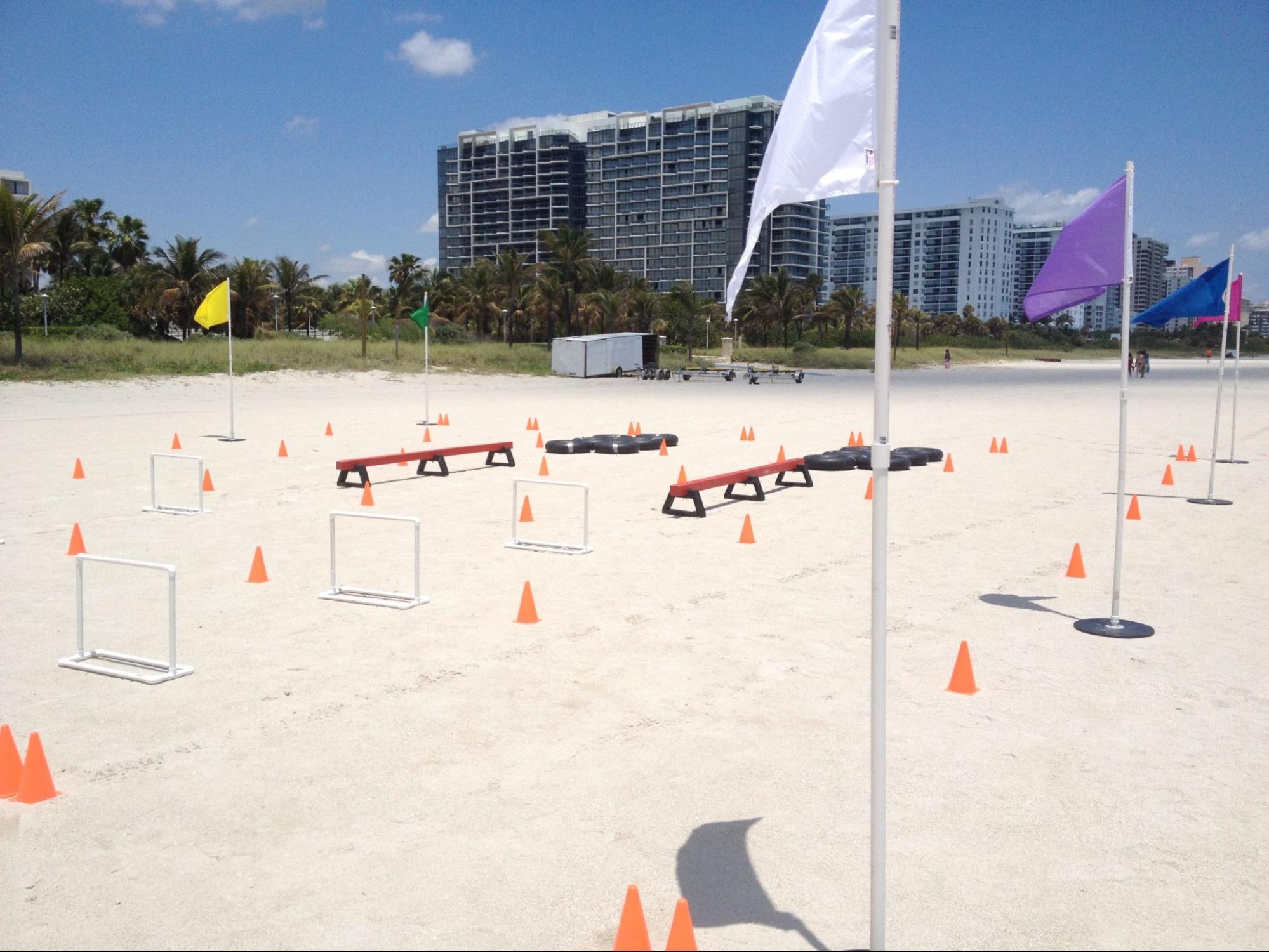
Team Olympics is a high-energy program where groups compete in a series of physical and mental challenges to win gold.
This activity is designed to boost morale and foster healthy competition. It gets people out of their seats and moving. You don’t need to be an athlete to participate; the challenges are varied to include everyone.
It is perfect for large corporate retreats where energy needs to remain high. Teams rotate through stations, earning points and cheering each other on. The finale typically involves an awards ceremony, which is a great way to end a day of meetings.
Learn more about this program here: Team Olympics.
Team Survivor
Team Survivor is a strategy-focused event where teams must outwit, outplay, and outlast opponents in survival-themed puzzles.
This program tests communication and problem-solving under pressure. It is less about physical prowess and more about how well a group thinks on its feet.
It is ideal for identifying leadership qualities. Who steps up when the instructions are vague? Who mediates when the team disagrees?
This environment mimics the pressures of the corporate world but in a safe, fun setting. Groups learn to leverage each member’s strengths to survive the challenges.
Check out the details here: Team Survivor.
Why Purposeful Play Matters for Company Culture
Purposeful play transforms mandatory events into meaningful experiences that employees actually value.
No one likes “forced fun.” If an activity feels pointless, employees will resent the time away from their desks.
However, when activities have a clear purpose, especially CSR or charity elements, employees feel more connected to the mission.
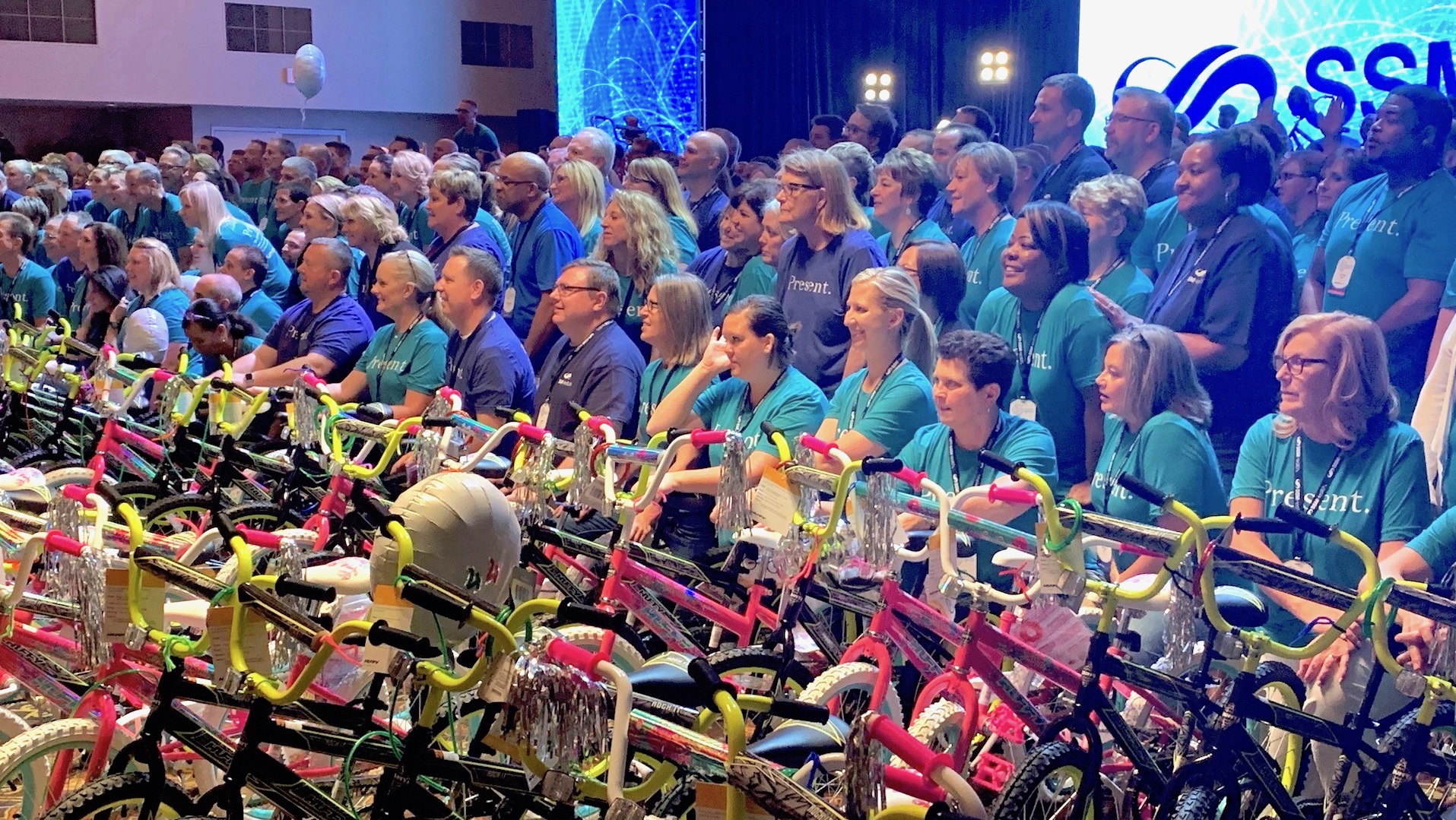
This is where Corporate Social Responsibility meets team building. Building bikes for kids or assembling care packages adds a layer of emotional fulfillment. It unites the team under a cause greater than profit.
This sense of unity carries back to the office. It builds a culture where people care about each other and the community.
Team Building Nation: Elevate Your Next Corporate Gathering
Team Building Nation specializes in turning standard corporate events into impactful, charitable experiences.
We know that planning a corporate event is stressful. You have to worry about the venue, the speakers, and the food. Let us handle the engagement.
We provide the logistics, the fun, and the purpose. Our goal is to ensure HR and leadership teams don’t have to face burnout trying to do it all themselves.
We focus on “purposeful play.” Whether it is through a high-energy competition or a charity build, we ensure your team leaves closer than when they arrived.
Ready to make your next event matter? Contact Team Building Nation today to start planning.