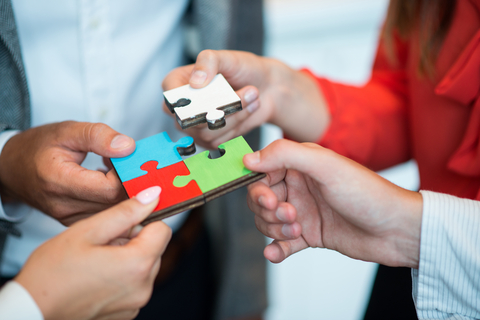
Have you ever wondered why some teams work better together than others? Understanding the effectiveness of team building is essential for creating strong and productive groups. In this guide, we will explore how to measure a team’s success and what makes them tick.
Key indicators reveal if a team is on the right track, and establishing shared goals lays the foundation for achievement. By focusing on specific metrics, leaders can assess performance and pinpoint areas for improvement.
This guide will address common challenges faced when measuring team building success, including overcoming resistance to change. Join us as we dive into the ultimate strategies for assessing team building effectiveness.
Key Indicators of Team Effectiveness
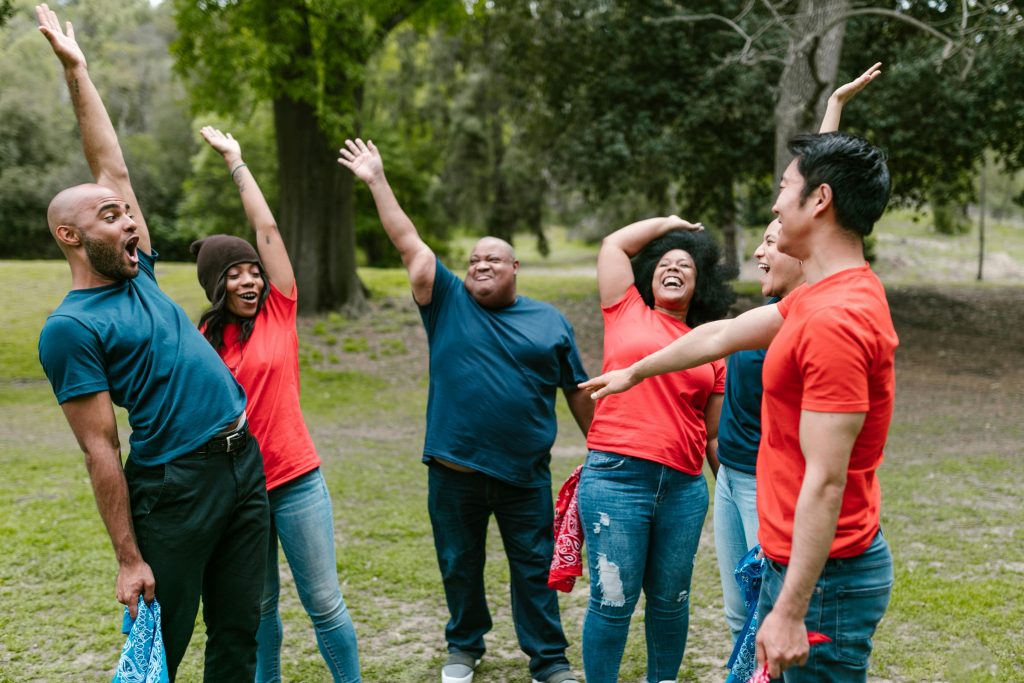
Team effectiveness can be measured by how well members work together. One key way to check this is by collecting employee feedback. This feedback often comes from surveys and forms. It helps us see how employees feel about team-building activities. These comments give valuable insights into their experiences and perceptions.
Another important indicator is how well team members communicate and collaborate. When teams talk and work together better, it’s a sign that the team-building efforts are paying off. Improved communication helps every member understand their role, leading to more successful projects.
Here is a quick list of some key indicators:
- Employee feedback from surveys
- Improvements in communication and collaboration
- Successful project completion rates
- Low error rates
- Positive customer satisfaction scores
Establishing Shared Goals for Success
Setting shared goals is important for any team. It ensures everyone is working toward the same target. When team members have the same goal, they work more closely together. This unity boosts overall team performance.
Shared goals help team members understand their contribution to success. Team leaders play a key role here. They need to clarify these goals and motivate everyone to strive for them. This not only improves team dynamics but also supports stronger team-building initiatives.
Here is a simple table that shows why shared goals matter:
| Benefit | Description |
|---|---|
| Unity | Promotes teamwork and stronger team bonds |
| Motivation | Encourages team members to stay focused |
| Clarity | Ensures everyone knows their role and responsibilities |
| Efficient Performance | Boosts productivity and teamwork effectiveness |
By setting and pursuing shared goals, teams become more effective. This leads to higher job satisfaction and better overall performance.
Metrics for Measuring Team Effectiveness
Team effectiveness is important for overall business success. By tracking certain metrics, businesses can ensure their team-building activities lead to positive changes. Here’s how you can measure team effectiveness:
- Employee Engagement Levels: Check how engaged employees are during team-building activities. High participation often shows that activities are effective and resonate well with the team.
- Alignment with Organizational Goals: Use performance metrics to ensure both individual and team efforts align with company goals. This keeps everyone focused on shared objectives, helping to boost productivity.
- Improved Productivity: Track how team-building impacts productivity. Improved collaboration often leads to faster and more efficient work.
Performance Metrics to Evaluate Success
By focusing on certain performance metrics, we can evaluate the success of team-building efforts:
- Productivity and Goal Achievement: Measure if there is an increase in productivity and goal completion rates. This shows if team activities have improved teamwork and efficiency.
- Communication and Collaboration: Assess improvements in how well team members communicate and work together. Good communication often means successful team-building.
- Baseline Metrics: Set baseline measurements before team-building starts. These can include attendance, output, and employee satisfaction. This helps compare changes and see improvements.
By watching these metrics, teams can find out what works best. These insights help create high-performing teams that excel in meeting organizational goals.
Establishing Baselines and Goals
Establishing baselines and goals is a crucial step in measuring the success of team-building events. Setting SMART goals—specific, measurable, achievable, relevant, and time-bound—helps organizations create a solid foundation for assessment.
First, define clear baselines. These are the starting points for performance metrics such as absences, employee retention, productivity levels, and customer satisfaction scores. By establishing these, teams can accurately measure improvements.
Short- and long-term goals should be set to identify areas needing improvement. This means aligning team-building activities with your objectives. For example, if improved communication is a goal, choose activities that encourage effective communication.
Key Metrics:
| Metric | Baseline | Goal |
|---|---|---|
| Absences | 10/year | 5/year |
| Employee Retention | 80% | 90% |
| Productivity | 70% | 85% |
| Customer Satisfaction | 3.5/5 | 4.5/5 |
Conducting pre- and post-activity surveys can offer valuable insights into how team-building efforts affect communication, cohesiveness, and job satisfaction. Tracking these changes helps in enhancing team dynamics and achieving a high-performing team.
Common Challenges in Measuring Team Building Success
Measuring the long-term impact of team-building activities can be tricky. Right after a team-building event, it’s easy to see smiles and teamwork. But these immediate results might not show the full picture. Sometimes, lasting changes take time. To get the best out of team-building activities, it’s important to check progress regularly. Doing this can help teams adjust their strategies and make sure that the benefits stick around for a long time.
Addressing Resistance to Measurement
Not everyone agrees on how team-building should be measured. One big problem is that people see things differently. For example, one person might think an activity was fun and helpful, while another might feel it didn’t do much. So, it’s important to use both personal feedback and real numbers. This means mixing people’s opinions with facts like absences and productivity levels. By doing this, teams can get a clearer picture of what works and what doesn’t.
Tips for Tracking Team Building Success:
- Regular Check-ins: Meet often to talk about how the team is doing.
- Combine Feedback: Use both surveys and data for a balanced view.
- Adjust Plans: Based on feedback, change activities to better meet goals.
These steps help teams grow stronger and more effective, keeping everyone happy and motivated.