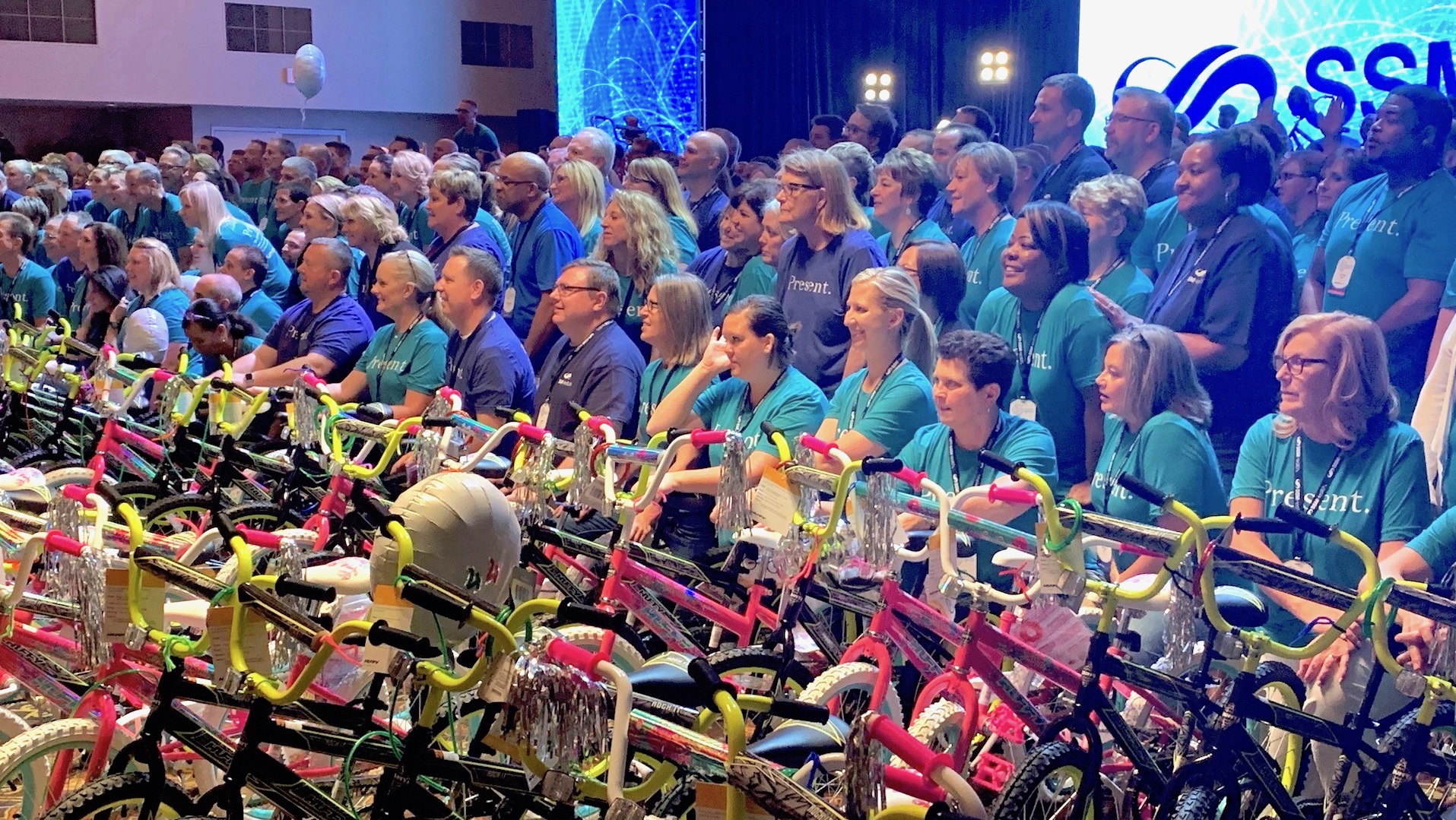
Team building is more than just a fun day out; it’s vital for a healthy workplace. When employees connect and collaborate, their well-being flourishes, benefiting both individuals and the organization. Understanding how these activities improve social ties and emotional health is essential in today’s work environment.
As employees engage in team-building exercises, they bond with their coworkers and create a supportive culture that encourages open communication. This positive atmosphere nurtures emotional health, reducing stress and boosting morale. Research shows that workplaces focused on wellness see an increase in productivity and job satisfaction, making this a worthwhile investment.

This article will explore how team building can enhance employee wellness by strengthening relationships and fostering a supportive work environment. Together, we will uncover the powerful effects of positive social interactions and how they contribute to a thriving organizational culture.
Benefits of Team Building for Employee Wellness
Team building activities are vital for boosting employee wellness. They create a stronger sense of community and improve workplace culture. When organizations prioritize team building, they notice increased employee satisfaction and loyalty. This not only enhances productivity but also positively impacts overall company performance. To understand more about how team building affects productivity, you can visit this informative article.
Enhancing Social Wellbeing
Social wellbeing is critical for personal happiness and job satisfaction. Team building exercises open up communication channels among employees. Simple interactions, like those by the water cooler, help create an inclusive culture. These activities give everyone a chance to bond, promoting mental wellness and a sense of belonging. A study by the Harvard Business Review highlights how social connections at work boost productivity and morale. Read more about it here.
Supporting Emotional Health
Supporting emotional health is a key outcome of team building exercises. As employees work together, they better understand each other’s responses to challenges. This fosters trust and builds a more comfortable and supportive work environment. Such understanding is crucial for handling workplace stress effectively. Emotional health improves when employees feel valued and connected. For more insights on how workplace culture impacts emotional health, check out this research.
The Role of Supportive Work Environments
Supportive work environments play a crucial role in enhancing employee well-being. Employers who genuinely invest in employee wellness create a strong foundation that boosts morale and drives success. This approach not only improves employees’ physical and mental health but also fosters a positive work environment.
Workplace wellness programs such as yoga classes and gym memberships can significantly improve physical health. These programs encourage healthy habits like regular exercise and healthy eating, leading to healthy employees who experience less workplace stress. Moreover, initiatives aimed at mental health resources provide essential support for emotional health, reducing stress and enhancing job satisfaction.
Remote employees also benefit from such programs. Organizing online team events can build a sense of community and employee engagement, which are essential for remote team cohesion. According to this study, a supportive workplace can improve personal life satisfaction and reduce healthcare costs due to fewer health-related absences. Investing in employee wellness contributes to a healthier, happier, and more productive workforce.
Impact of Team Building on Organizational Culture
Activities that emphasize teamwork significantly influence the mental health of employees. Engaging in team building promotes a healthier and more productive work environment. Investing in employee wellness through these activities enhances job satisfaction and solidifies a stronger organizational culture.
Strengthening Relationships Among Employees
Implementing fun wellness activities within team meetings builds stronger bonds among team members. Such activities improve morale and create a positive atmosphere. As relationships strengthen, the sense of collaboration within the company improves, fostering a united workplace culture.
Conclusion
In short, prioritizing team building in your organization can significantly enhance employee wellness, leading to a more engaged and productive workforce. By creating opportunities for employees to connect, collaborate, and support one another outside of their usual routines, you foster a sense of belonging and community that is vital for mental and emotional health. Whether through fun activities, workshops, or retreats, team-building initiatives promote positive relationships and a culture of support that can reduce stress, improve morale, and ultimately lead to higher job satisfaction.
Investing in your team’s well-being is not just beneficial for the employees, but it also creates a ripple effect that can enhance overall company performance. Remember that team building should be an ongoing practice rather than a one-time event. Consistent efforts to strengthen team dynamics will yield long-term benefits for both the individuals involved and the organization as a whole.
Ready to take your team-building efforts to the next level? Contact Team Building Nation today